


Your guide to equipment finance
Posted on Mar 24, 2026
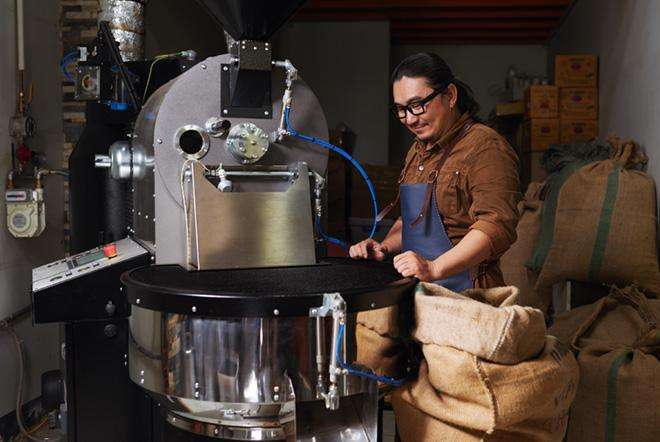
Investing in new fixed assets such as machinery, vehicles, technical equipment, or property can be a critical step in growing your business. You’ll generally need to choose between using cash reserves or seeking finance. While using cash avoids interest costs, financing allows you to spread the cost over time, keeping your cash available for other business needs.
Using cash reserves or finance
If you have surplus cash that isn’t earmarked for other business priorities, purchasing equipment outright may make sense. This approach avoids monthly repayments or interest costs, while also providing the opportunity to depreciate the asset annually. Holding cash in a savings account may yield minimal returns, so using it to grow your business or de-risk future uncertainties is often a more productive strategy.
However, equipment finance offers several advantages, particularly for businesses seeking flexibility and stability. Financing can provide smoother cash flow with predictable payments, reducing the strain of large upfront purchases. Spreading the cost over the asset’s useful life mitigates the risk of obsolescence, while offering multiple options such as leases, hire purchase agreements, or equipment loans can be tailored to your circumstances. This approach also allows you to scale operations without significant capital outlay.
Calculating return on investment (ROI)
Before investing in new equipment, it’s wise to calculate the potential return. Add the cost of the asset to yearly maintenance and support expenses, then divide by the expected lifespan of the equipment. This calculation helps determine the minimum value the equipment must generate in increased capacity, sales, or efficiency.
Consider listing future equipment needs according to how they will:
- Improve efficiency. New technology can streamline operations or enhance current capabilities.
- Support growth. Additional equipment may increase production capacity or allow expansion into new services.
- Enhance competitiveness. Modern equipment may help you match or exceed competitors’ capabilities.
Making a clear case for each purchase ensures informed decision-making and prioritization of resources.
Vehicle and equipment loans
Financial institutions may offer tailored equipment finance solutions including vehicle and equipment loans with features designed to support business growth:
- structure loans and repayments to suit your cash flow.
- No extra assets for security, as the purchased vehicle or equipment itself serves as security.
- Purchase multiple assets. Set a finance limit to avoid repeated applications.
- Balloon payment options. Keep monthly repayments lower by deferring part of the payment to the end of the term.
Leasing options
Leasing provides another route to access essential equipment without a large upfront purchase. Through a lease agreement, the lessor retains ownership while your business gains the right to use the asset for a set period, paying regular lease fees.
Key differences between leasing and purchasing include:
- The lessor retains ownership during the lease term.
- Payments may cover usage, maintenance, insurance, and other related costs.
- Certain restrictions on equipment use may apply.
- At the end of the lease, options can include returning the equipment, renewing the lease, or purchasing it at residual value.
- Lease costs are treated as expenses rather than capital assets, which can benefit your balance sheet.
Leasing can be particularly advantageous for technology-dependent businesses or seasonal vehicle fleets, as it avoids idle assets. Financial institutions may offer tailored leasing solutions, allowing you to choose the equipment you need, with no deposit or monthly fees, and support from dedicated specialists.
Risk mitigation
Financing equipment rather than paying cash helps maintain capital flexibility. This is particularly important for technology-heavy businesses that need to upgrade regularly or for those who want to keep reserves available for unexpected opportunities. Preserving cash enables you to respond quickly to market changes, invest in research and development, expand operations, or acquire new assets without being constrained by upfront costs.
Industry considerations
Different sectors face unique equipment finance challenges:
- Agriculture: Seasonal cash flows, weather-related risks, and commodity price fluctuations affect equipment investment timing.
- Manufacturing: Maintaining technological competitiveness while managing equipment costs requires careful planning.
- Service businesses with fleets: Balancing vehicle ownership costs against the benefits of reliability, efficiency, and professional image is essential.
Understanding your industry-specific needs is key to selecting the right financing option and structuring repayments that align with cash flow and business objectives.
Equipment finance v cash purchases
| Feature | Cash Purchase | Equipment finance/lease |
|---|---|---|
| Upfront cost | High – full purchase price paid immediately | Low – spreads cost over time, no large upfront outlay |
| Cash flow impact | Significant reduction in available cash | Maintains liquidity for operations and growth |
| Interest / Fees | None | Interest or lease fees apply, but predictable and structured |
| Asset ownership | Immediate ownership | Ownership may remain with lender (for leases) until term ends |
| Depreciation | Can claim tax depreciation | Can claim lease payments or interest as tax-deductible expense |
| Flexibility | Limited – cash tied up in asset | Greater flexibility – can upgrade or scale without large capital outlay |
| Risk of obsolescence | Sole responsibility for outdated equipment | Reduced risk – leasing or finance terms can include upgrades |
| Financing options | Not applicable | Loans, finance leases, balloon payments |
Next Steps
- Evaluate equipment needs. List the essential assets required to grow, improve efficiency, or stay competitive, and calculate the expected return on investment.
- For more information on how to grow your business, visit this page or make an appointment with one our expert business bankers.
Was this helpful?
Thank you for the feedback
Related Articles
As businesses grow and operations become more complex, managing payments efficiently becomes increasingly important. Many organizations still rely on a mix of manual processes, disconnected systems, or repetitive tasks that can slow down workflows and make it harder to maintain accuracy.
Jul 31, 2026

One significant recent development is the federal government decision to stop producing the penny. While cash continues to remain in circulation, the absence of newly minted pennies means businesses and consumers will rely entirely on the existing penny supply, which will tighten over time as fewer pennies recirculate.
Jun 04, 2026

Before You Apply: Preparing for a Business Loan or Line of Credit
Before You Apply: Preparing for a Business Loan or Line of Credit
A business loan or line of credit can provide the financial flexibility needed
to invest, manage cash flow, and plan for the future. Understanding when financing is
appropriate—and how to prepare—can help business owners make informed decisions
and streamline the application process.
May 08, 2026

Choosing a POS System That Supports Your Business – Today and Tomorrow
Choosing a POS System That Supports Your Business – Today and Tomorrow
Focusing on the following key areas when evaluating a POS system can help you choose a solution that fits your business now and continues to support you as you grow.
Apr 17, 2026


Understanding balance sheets, profit and loss, and cash flow
Understanding balance sheets, profit and loss, and cash flow
Three of the most important documents are the balance sheet, the profit and loss account (sometimes called an income statement) and cash flow statement. Think of these as your business’s health check-ups.
Mar 24, 2026