


Choosing a POS System That Supports Your Business – Today and Tomorrow
Posted on Apr 17, 2026

Your point-of-sale (POS) system is one of the most important tools you use every day. When it works well, it keeps lines moving, reduces manual work, and gives you confidence that your business is running smoothly. When it doesn’t, it can quietly create extra work, missed opportunities, and unnecessary costs.
Between feature lists and pricing tiers, it can be hard to tell what truly matters. Focusing on the following key areas when evaluating a POS system can help you choose a solution that fits your business now and continues to support you as you grow.
- Find the Right Fit for Your Business
Every business operates differently, and your POS system should reflect that. A restaurant, retail store, healthcare practice and service provider each have unique needs. A useful starting question: does this platform have purpose-built features for my business type?
Look for a POS that supports how your team already works – whether that’s managing inventory, scheduling appointments, or handling peak service times. Ask whether the system is configurable or whether you’d have to change your workflow to fit the software. If you plan to expand, add staff, or open another location, your POS should be able to scale without disruption. - Be Ready to Serve Customers Anywhere
As customer expectations evolve, many businesses now serve customers both in person and online, and some accept payments at events, job sites, or pop-up locations. Before committing to a system, consider whether it can accept payments at locations such as events, markets, or job sites.
A modern POS system should help track inventory, pricing, and sales data across channels in real time, giving you a clearer picture of your business. Even if your business is primarily in-person today, having the flexibility to add new ways to sell - including online ordering, delivery integration, or curbside pickup - can open the door to future growth. - Simplify Day-to-Day Operations
A POS system does more than process payments. The right platform can help streamline daily tasks such as reconciling sales, scheduling, tracking employee hours, and even role-based permissions.
When your POS connects seamlessly with accounting, payroll, and your business bank account, you spend less time on manual work and more time focusing on the customer. Reliable customer support is essential - especially when questions come up during busy hours. Find out what local support looks and whether real human help is available – in your time zone – when you need it most. - Understand the Full Cost
When comparing POS systems, it’s important to look beyond the upfront price. Monthly software fees, add-on features, payment processing costs, and contract terms can all affect the long-term value of POS systems.
Flexibility matters, too. Find out whether the integration ecosystem is open, meaning you can connect existing tools. Before signing, it’s also worth understanding the contract length and exit terms if the system doesn’t work out.
Making a Confident Choice
It’s important to think ahead – evaluating POS systems based on fit, flexibility, and operational support. A system that truly supports your business could require a slightly larger initial investment, but it can save time, reduce stress, and help your business operate more efficiently over the long run.
At First Hawaiian Bank, we’re here to help you make informed decisions that support your goals –today and in the years ahead.
Was this helpful?
Thank you for the feedback
Related Articles
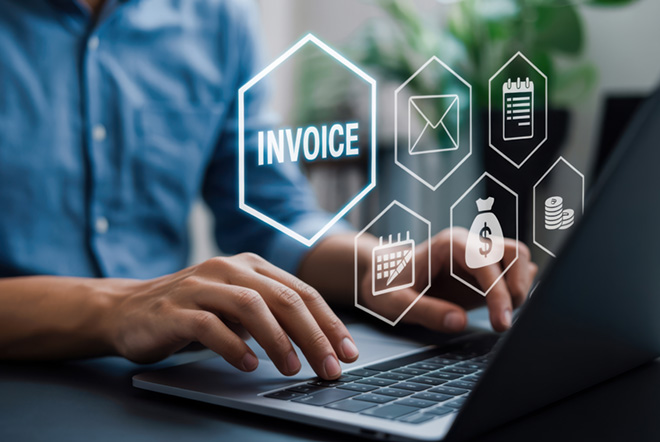
As businesses grow and operations become more complex, managing payments efficiently becomes increasingly important. Many organizations still rely on a mix of manual processes, disconnected systems, or repetitive tasks that can slow down workflows and make it harder to maintain accuracy.
Jul 31, 2026

One significant recent development is the federal government decision to stop producing the penny. While cash continues to remain in circulation, the absence of newly minted pennies means businesses and consumers will rely entirely on the existing penny supply, which will tighten over time as fewer pennies recirculate.
Jun 04, 2026

Before You Apply: Preparing for a Business Loan or Line of Credit
Before You Apply: Preparing for a Business Loan or Line of Credit
A business loan or line of credit can provide the financial flexibility needed
to invest, manage cash flow, and plan for the future. Understanding when financing is
appropriate—and how to prepare—can help business owners make informed decisions
and streamline the application process.
May 08, 2026


Understanding balance sheets, profit and loss, and cash flow
Understanding balance sheets, profit and loss, and cash flow
Three of the most important documents are the balance sheet, the profit and loss account (sometimes called an income statement) and cash flow statement. Think of these as your business’s health check-ups.
Mar 24, 2026