


How Your Credit Score Affects Your Ability to Purchase a Home
Posted on Mar 23, 2026
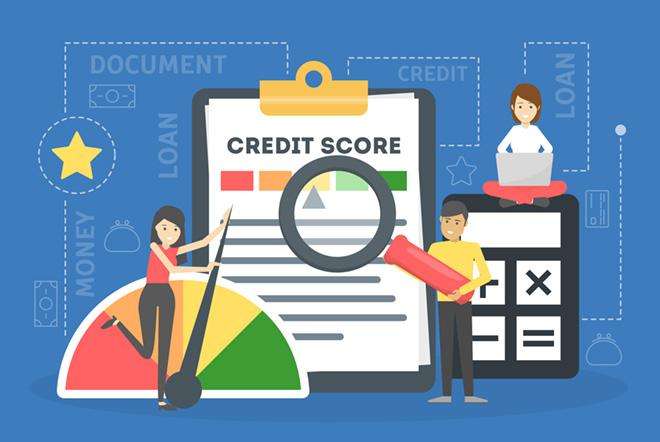
Your Credit Score: The Key to Unlocking Your Dream Home (Even on a Budget)
Owning a home is a major milestone on the path to financial independence, but for many, especially young adults, it can feel out of reach. What most people don’t realize is that one of the most powerful tools for making homeownership possible is something they already control: their credit score. Understanding and improving your credit score can dramatically boost your chances of qualifying for a mortgage with a low interest rate, saving you thousands over the life of the loan.
Why Your Credit Score Matters
Your credit score works like a financial report card and reflects how reliably you have repaid loans and managed debt. Lenders use it to determine whether to approve your mortgage and what interest rate to offer because higher scores signal lower risk, which usually means better loan terms and lower monthly payments.
Key factors in your score include:
- Payment history
- Credit utilization
- Length of credit history
- Types of credit used
- New credit inquiries
How Credit Scores Affect Interest Rates
Your credit score directly influences the interest rate on your mortgage. Even a 1% difference can have a huge impact.
Example:
A $250,000 loan at 8% has a monthly payment of $1,834 and costs nearly $410,000 in interest over 30 years.
At 7%, the monthly payment drops to $1,663, saving over $60,000 in total interest.
(Rates shown for illustration only.)
Benefits of a Strong Credit Score
A higher credit score can deliver:
- Lower interest rates
- Higher approval odds
- Reduced monthly payments
These savings can help you better afford homeownership and other financial goals.
How to Build a Strong Credit Score
Improving your credit score doesn’t require a large budget, just consistency and good habits.
- Pay Every Bill on Time
Payment history is the most important factor in your score. Set reminders or automate payments to avoid late fees and negative marks. - Keep Credit Utilization Low
Aim to use under 30% of your available credit. Lower balances signal responsible credit management. - Avoid Unnecessary New Credit
Each application creates a hard inquiry that can temporarily lower your score. Open new accounts only when needed. - Check Your Credit Report Annually
You're entitled to one free report per bureau each year (TransUnion, Experian, Equifax). Review reports for errors, identity theft, or inaccurately reported late payments.
Take Control of Your Financial Future
With intentional financial habits and smart planning, you can elevate your credit score, lower your loan costs, and eventually step into the home you’ve always envisioned.
Prioritize Your Credit Boost Today
By understanding how your credit score works and taking steps to improve it, even on a limited budget, you can achieve your dream of buying a home and save a significant amount of money in the process. Taking control of your credit score is an investment in your financial future.
Our mission is to empower you with the tools and knowledge to boost your credit score. With dedication and smart financial planning, you can turn your dream of homeownership into a reality.
Further Resources
Check out the following resources for credit reporting and financial counseling:
- The three credit bureaus offer free annual reports:
- TransUnion
- Experian
- Equifax
- The U.S. Department of Housing and Urban Development maintains a list of free and low-cost counseling agencies: https://www.hud.gov/counseling
Was this helpful?
Thank you for the feedback
Related Articles

Groceries vs. Take-Out: Where do I spend the most?
Groceries vs. Take-Out: Where do I spend the most?
The more you understand your spending habits, the easier it becomes to build a budget that supports your goals and gives you greater confidence in your finances.
Jul 30, 2026


The Importance of Financial Literacy for Gen Z: Empowering the Next Generation
The Importance of Financial Literacy for Gen Z: Empowering the Next Generation
As Gen Z steps into adulthood, financial decisions are becoming a part of everyday life—from managing student loans and credit cards to building savings and exploring investment opportunities.
Feb 11, 2026