


Workplace Financial Benefits: A Beginner's Guide
Posted on Mar 23, 2026

Understanding health insurance forms, retirement plan elections, and benefit enrollment documents is vital to ensuring you are making the correct financial decisions when you start a new job. The decisions you make now can impact your financial security for many years down the line. Here's what you need to know to make smart choices from here on out.
Understanding Your Retirement Savings Options
A 401(k) is a popular retirement savings account that is likely offered through your employer. Here's how it works:
- You choose to have a percentage of each paycheck automatically deposited into this account before taxes are taken out.
- The money then grows through investments until you retire.
- Contributions you make to a traditional 401(k) are typically tax deductible, which can help lower your taxable income today.
It is important to check if your employer offers a “match”. This means your employer will contribute money to your account based on the amount you put in. For example, if your employer matches 50% of contributions up to 6% of your salary, and you earn $50,000 annually, contributing $3,000 per year means your employer adds another $1,500. That's a 50% instant return on your investment.
You should aim to contribute at least enough to capture the full employer match. If you can't afford the full match immediately, begin with what will fit in with your budget, even 1% or 2%, and increase it when you can afford to do so. According to the IRS, employee contributions are immediately yours. However, employer contributions may require you to stay with the company for a certain period, often called "vesting”, before the contributions are fully yours. Confirming with your employer on the specifics of their retirement matching offering.
Navigating Health Savings Accounts
When it comes to enrolling in health insurance, you will likely come across these two health savings accounts: HSA and FSA. These accounts help you pay medical expenses with pre-tax dollars, but they have some key differences.
- Health Savings Account (HSA): this type of health savings account is only available if you choose a high-deductible health plan. You can think of this account as a medical emergency fund that grows tax-free. The money you contribute has various tax benefits:
- Reduces your taxable income
- Grows without taxes
- Can be withdrawn tax-free for qualified medical expenses
- HSA funds may also be used for qualified mental health and wellbeing services, giving you more flexibility in how you manage overall health needs.
The best part is the money rolls over year after year, and you get to keep it, even if you change jobs. In 2026 for a high deductible plan, you can contribute up to $4,400 for individual coverage or $8,750 for family coverage, with an extra $1,000 allowed if you're 55 or older (source).
- Flexible Spending Account (FSA): With this type of account, you are able to set aside pre-tax money for medical expenses, but there's one major difference: if you don’t use it, you lose it. Most of the time, you are required to spend the money within the plan year, however, some employers allow a small carryover or grace period. FSAs typically don't require a specific health plan type, making them more accessible. Similar to HSAs, many FSAs can be used for eligible mental health and wellbeing services, depending on the employer’s plan.
Making Benefits Work for You
Is your benefit enrollment deadline approaching? Use these strategies:
- Calculate the minimum 401(k) contribution needed to capture your full employer match. This should be your baseline.
- Estimate your annual medical expenses realistically.
If you have regular prescriptions, glasses, or planned procedures, go for a FSA.
Generally healthy with emergency savings? An HSA might serve you better long-term.
Reimbursement
Some employers will reimburse you to offset costs for continued education, wellness, and even working from home. It’s important to ask about what your employer will cover, to make sure you are utilizing all the resources that are available to you.
- Tuition Reimbursement: Use this benefit to improve your skills, education, and career at a lower cost. Some employers require employees to be at the company for a certain period to use this reimbursement, be sure to check before you enroll in a class or certification course.
- Wellness Reimbursement: Continuing or developing a healthy habit will help you both physically and mentally. This type of reimbursement is a great way to save money on something you may already be spending money on.
- Work From Home Reimbursement: With more companies allowing employees to work from home, this type of reimbursement has become a popular benefit. Some companies will provide employees with a stipend when they begin to get their office at home set up. Be sure to familiarize yourself with your state laws around this.
Additional Employer Benefits to Consider
- Group Life Insurance: Provides financial protection for your loved ones in the event of your passing
- Long-Term Care Insurance: Helps cover extended care needs not typically covered by health insurance
- Pet Insurance: Offers reimbursement for veterinary care, providing peace of mind for pet owners
These plans add layers of security and can be a meaningful part of your overall financial wellbeing.
First Hawaiian Bank wants to help you build financial confidence in the workplace. Consider scheduling a meeting with our financial advisors to review your benefit elections and help you understand your workplace benefits.
Was this helpful?
Thank you for the feedback
Related Articles
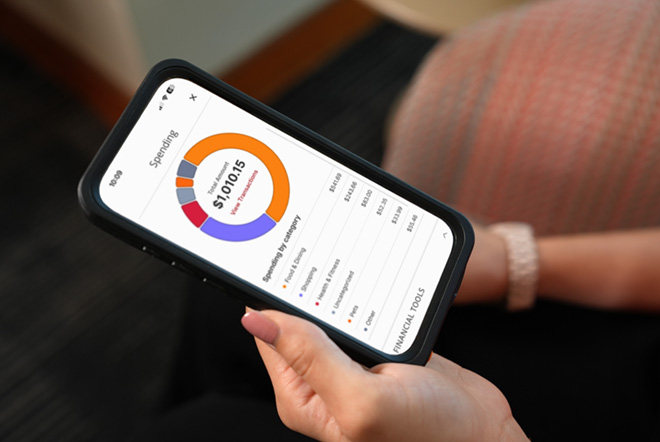
Groceries vs. Take-Out: Where do I spend the most?
Groceries vs. Take-Out: Where do I spend the most?
The more you understand your spending habits, the easier it becomes to build a budget that supports your goals and gives you greater confidence in your finances.
Jul 30, 2026
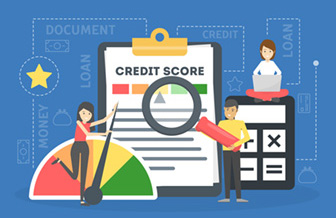
How Your Credit Score Affects Your Ability to Purchase a Home
How Your Credit Score Affects Your Ability to Purchase a Home
Understanding and improving your credit score can dramatically boost your chances of qualifying for a mortgage with a low interest rate, saving you thousands over the life of the loan.
Mar 23, 2026

The Importance of Financial Literacy for Gen Z: Empowering the Next Generation
The Importance of Financial Literacy for Gen Z: Empowering the Next Generation
As Gen Z steps into adulthood, financial decisions are becoming a part of everyday life—from managing student loans and credit cards to building savings and exploring investment opportunities.
Feb 11, 2026