


No More Pennies: What Businesses Need to Know
Posted on Jun 04, 2026
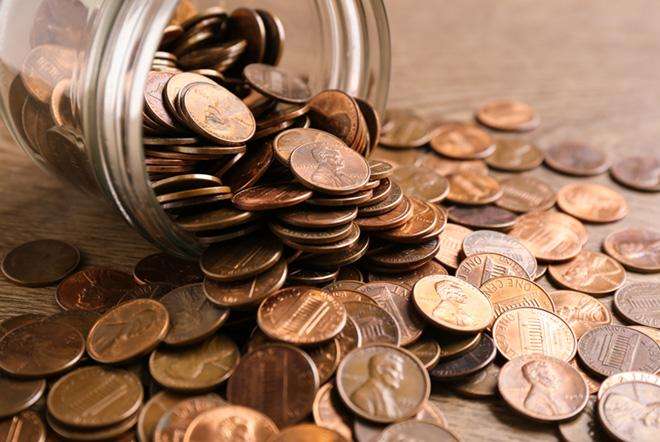
The U.S. payments landscape continually evolves. One significant recent development is the federal government decision to stop producing the penny. While cash continues to remain in circulation, the absence of newly minted pennies means businesses and consumers will rely entirely on the existing penny supply, which will tighten over time as fewer pennies recirculate.
More than 250 billion pennies are currently in circulation, but many are stored in jars or drawers, slowing their return and contributing to coin‑supply challenges already affecting banks and retailers.
Shifts in Cash Usage
Although cash usage in general has declined, dropping to 14% of all payment types, cash remains essential for certain consumer groups, including unbanked and underbanked individuals, lower‑income households, and those who seek privacy or protection from digital fraud. Cash also remains a resilient option during natural disasters, technology outages, or cyber incidents that interrupt electronic payment systems.
Impacts on Businesses
The discontinuation of penny production introduces several operational considerations for businesses:
- Coin Availability: Businesses may encounter challenges securing enough coins to support cash transactions.
- Operational Adjustments: Cash‑handling procedures and system workflows may require updates to reflect changes in coin availability.
- Customer Communication: Businesses may need to explain rounding practices or pricing adjustments related to coin shortages.
- Shift to Digital Payments: As cash usage continues to decline, businesses may see increasing consumer preference for card and digital payment channels.
Rounding as a Practical Approach
One solution businesses can consider is rounding the cash portion of transactions to the nearest nickel. For example, totals ending in 1, 2, 6, or 7 cents round down and totals ending in 3, 4, 8, or 9 cents round up. This rounding methodology applies only to cash purchases. Electronic payments continue to be processed with the exact amount.
As pennies gradually become less available, businesses must review their cash‑handling procedures and consider practical adjustments such as rounding, POS (Point of Sale) updates, or expanding to digital payment options. Preparing now can help ensure a smooth transition as the cash ecosystem evolves.
If you’d like guidance on adapting your cash‑handling practices or exploring alternative payment solutions, contact your FHB banker or visit a branch to learn how we can support your business through these changes.
References
- Stephanie Hiersche, Ben Pierce, Ashley Yayock. 'Making Change: The Limiting Factor in the Cash Ecosystem Innovation.' AFP 2026 Presentation.
- ‘2025 Findings from the Diary of Consumer Payment Choice,’ The Federal Reserve. https://www.frbservices.org/news/research/2025-findings-from-the-diary-of-consumer-payment-choice.
Was this helpful?
Thank you for the feedback
Related Articles

As businesses grow and operations become more complex, managing payments efficiently becomes increasingly important. Many organizations still rely on a mix of manual processes, disconnected systems, or repetitive tasks that can slow down workflows and make it harder to maintain accuracy.
Jul 31, 2026

Before You Apply: Preparing for a Business Loan or Line of Credit
Before You Apply: Preparing for a Business Loan or Line of Credit
A business loan or line of credit can provide the financial flexibility needed
to invest, manage cash flow, and plan for the future. Understanding when financing is
appropriate—and how to prepare—can help business owners make informed decisions
and streamline the application process.
May 08, 2026

Choosing a POS System That Supports Your Business – Today and Tomorrow
Choosing a POS System That Supports Your Business – Today and Tomorrow
Focusing on the following key areas when evaluating a POS system can help you choose a solution that fits your business now and continues to support you as you grow.
Apr 17, 2026



Understanding balance sheets, profit and loss, and cash flow
Understanding balance sheets, profit and loss, and cash flow
Three of the most important documents are the balance sheet, the profit and loss account (sometimes called an income statement) and cash flow statement. Think of these as your business’s health check-ups.
Mar 24, 2026